15 things I learned while writing This Wasn’t Meant to Happen.
…lessons on grief, motherhood, and the unexpected gifts of writing through loss

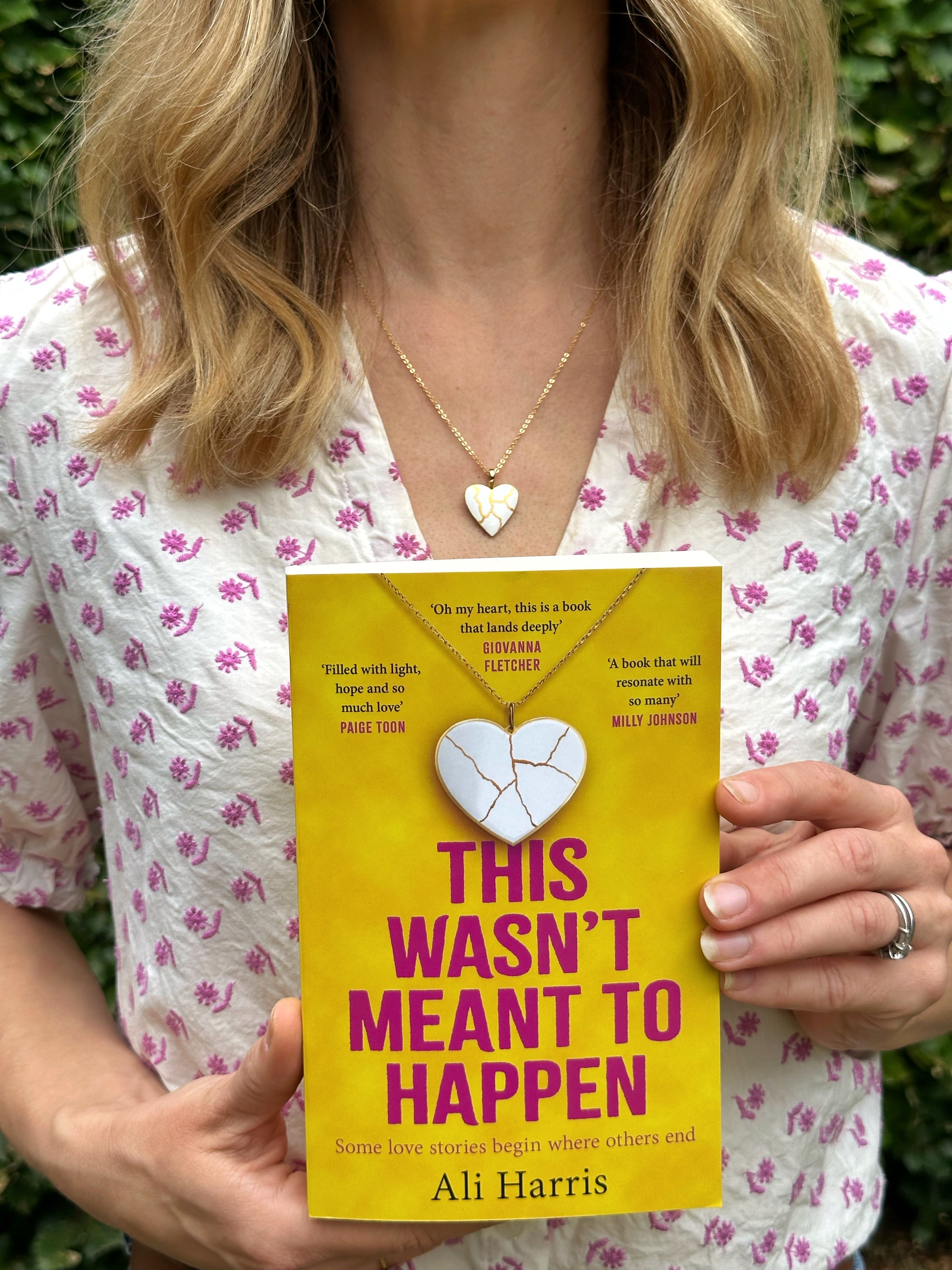
When I began writing This Wasn’t Meant to Happen, I thought I was writing a book about loss. But really, I was writing a book about life - about love, about identity, marriage, friendships, community, risk, purpose - about what it means to keep going when the unimaginable happens.
It wasn’t easy. It took me years to reach the point where I could write it at all. But once I started, I discovered that the process itself became a teacher. Writing this book has taught me as much about myself as it has about grief. It has changed the way I see the world, the way I mother, the way I create, the way I connect. I’d love to share some of these things with you:
Here are 15 things I learned while writing This Wasn’t Meant to Happen.
1. Grief has its own imperfect language - so does the first draft of any book
When Poppy died, I realised how little language we truly have for grief. Words felt clumsy, inadequate, never enough. People (including me) stumbled, reached for platitudes, or stayed silent altogether. In time, I learned that the language of grief isn’t about saying the perfect thing - often there is no perfect thing - but about saying something. Even “I don’t know what to say” can be a bridge. What matters is showing up, reaching out, and giving shape to the unspoken, so others can meet us there when they’re ready.
Writing is much the same. Grief doesn’t follow deadlines, and neither does storytelling. Sometimes the words need to sit quietly before they’re ready to emerge. It took me over two years to begin writing about Poppy on my instagram and another two years to start the book. It took years for the story to find its shape, to find the courage and clarity to tell it, and then share it.
Grief cannot be rushed, and neither can the stories born from it. Both take the time they take. And both should remind us that waiting for perfect words only leads to silence. The first draft - whether of language, or of life after loss - will always be imperfect. That’s not failure. That’s the start. Putting down what you feel, however messy or incomplete, is how both grief and writing find their way into meaning.

2. Grief is not linear - nor is writing about it
When I finally started writing the book, the floodgates opened. I couldn’t write enough (I think I must have written over 300,000 words, with more deleted scenes, additional characters and alternate endings than I can mention!). Writing transported me straight back to the days and months after she died: visceral, overwhelming, raw. But the distance of those four years gave me perspective, too. It allowed me to step outside of my own experience, to listen to others, to absorb the books that had held me together during those early days. Grief is not a straight line, and neither is the act of writing about it. Both are spirals - sometimes circling back, sometimes looping forward, always teaching you something new.
3. Create from the scar, not the wound
When loss is raw, the pain bleeds too freely onto the page. What comes out can feel more like exposure than expression. That’s fine if you’re writing only for yourself, but if your words are intended for others, they need space to breathe.
For me, that meant allowing time to sit with my grief, to feel it fully, and to begin healing before I tried to shape it into story. I needed to tend to my own wounds first, so that when I came to write, it wasn’t just my story - it could belong to anyone.
Distance doesn’t diminish the truth; it deepens it. When the wound has softened into a scar, you can see it with more clarity, compassion, and craft. And that’s when your words can move beyond your own healing, and serve your reader’s instead.
4. Writing with purpose brings new meaning to everything
I wrote this book out of contract. No deadline, no publisher waiting, no strategy, no publishing trend I had been told to follow (As it turns out, what I have written was quite the contrary - I was often told that after the pandemic people (understandably) wanted sexy dragons and romantasy, not deeply sad reality!).
But I wrote this book because I had to - because the only way to give shape to my experience of having Poppy, to make sense of all I had felt, was to put it into words. Not to heal me, but in the hope it might help someone else.
Writing from that place of purpose changed everything. Every word mattered differently. It didn’t feel like arranging sentences on a page, but like building something brick by brick - testing its strength, then cementing it in place.
Without a publishing contract, I didn’t need to dress it up for show, make it glossy, and commercial. It could be raw, authentic, and true. And that freedom gave me courage. Purpose made me braver. It allowed me to write the story as it really was, without anything getting in the way of its honesty.
5. Manifesting works best when it’s rooted in truth
I didn’t manifest this book into physical existence by creating a Pinterest board of dream covers or publishers. I manifested it by holding an unshakable belief that it needed to exist - as did my friends and family and anyone else I told about the book. I didn’t know how, or when, or with whom - but I knew it was meant to find its way into the world. And that belief shaped every decision, it’s what carried me through every rejection (of which there were many!).
Manifesting isn’t magic. It’s clarity of purpose. It’s knowing your "why." And allowing that to continue to propel you over every hurdle that might be put in your way on your journey to making your dream - your vision - a reality.
6. Trust your instincts - this is your story
Writing is about trusting yourself when no one else can see what you’re building. With this book, I realised early on no one knew this experience - or this community - the way I do. I was always going to be its greatest advocate. I knew the story had to start with Sofie’s stillbirth, an honest foreword, and a title that told the truth, even if it made readers (and publishers) uncomfortable. Trusting my instincts didn’t mean ignoring advice - it meant balancing other people’s professional expertise when I needed to, with my own knowledge born from experience. Both had equal weight. For the first time in my career, I fought harder for my vision than for approval, and it was worth it. Writing from truth and intuition, let me tell Sofie and Rory’s story the way I knew it needed to be told. It was a truth guided - but not defined by - my own experience. I knew it was countless other women’s and countless other couples truth, too.
7. Vulnerability is power
The moments I was most afraid to write were often the ones that mattered most - the places where I dug into the deepest pain, revisited the hardest memories of my own loss, and then translated them into Sofie’s version of the truth, shaped by who she is rather than who I am.
Vulnerability, honesty, and authenticity connect us in ways polish and perfection never can. The sentences I feared might be “too much” - too raw, too revealing - are the ones early readers have told me meant everything to them. Ironically, they were also the easiest to write. I didn’t need to agonise over them or search for words; they were etched into my muscle memory.
Writing openly about loss, love, and the messy edges of life is risky, especially when you know some readers will reject it as “too heavy” or “not what they want to read.” But that’s okay. Choosing to write about baby loss meant accepting that not everyone would come with me on this journey. For the first time, I realised vulnerability doesn’t require acceptance or validation. My responsibility was simply to write the story as it needed to be told. And believe that would be enough to find its readers.
And that’s the alchemy: what feels like weakness on the page can become someone else’s lifeline. By leaning into honesty, we invite readers to meet us fully, to see themselves reflected, and sometimes, to find the comfort they didn’t even know they were searching for.
8. Be your book’s fiercest advocate
No one will fight for your story as fiercely as you can. I’m so lucky to have incredible people around me with my agent and publishing team, including brilliant PRs who have been working so hard to champion this book across many different platforms (thank you Laura and Becky, you are amazing!). But when it comes to making sure This Wasn’t Meant to Happen reaches the people who need it, I honestly feel that responsibility falls to me. I know best why my book matters, why it exists, and who it can touch. I am always going to be the best person to talk about it to people.
It’s why I’ve found it easy to reach out out to old journalism contacts (many of whom I’d have previously been to embarrassed to reach out to after so many years), cold-email editors I’ve ever met, and yes, I’ve even (professionally!) “stalked” people on LinkedIn. The horror!
It’s why I started this Substack as well. I wanted a space that’s mine, where I could continue to speak openly about the book, about Poppy, about baby loss, grief, and love beyond the book’s release, where others could find it, hopefully find support and resources here if they need it, beyond the end of Sofie and Rory’s story.
My new emboldened attitude is also what allowedme to muster the courage to approach Elizabeth Day at my publisher’s Summer Party. I admire her enormously - her writing, her podcast - but I also knew her openness about her fertility journey and the community she’d built meant she might benefit from this book too, and maybe even share it with others. Old me would never have done that - I would have felt embarrassed of trying to plug my own work, shamelessly utilise my admiration of someone else to do so. Not this time. Because it isn’t about me, it’s about the purpose.
Any author knows that once a book is released into the world, it doesn’t just belong to you - it belongs to the readers waiting for its words, the ones who might see themselves reflected, feel less alone, or discover courage they didn’t know they had. Only you can guide it into their hands. That advocacy - the courage to speak up, reach out, and share your work - is as vital as the writing itself.
9. Pride isn’t uncomfortable when it’s driven by purpose
For years I downplayed my achievements, embarrassed by the PR side of publishing in that very British way. Even when I’d written bestsellers, I felt like an impostor.
I remember being introduced to Caitlin Moran early in my career. When she asked what my first novel was about, I panicked, folded myself into the smallest version of me, and mumbled that it wasn’t very good. She told me firmly that this was my “baby”, I should be proud because no one else could sell my book like I could. Back then, I didn’t have the confidence to do that. To take up space in an industry full of brilliant people.
Now, with This Wasn’t Meant to Happen, I finally can because this book is bigger than me. It’s not mine. It’s a love story about baby loss - the book I needed when my daughter died. I poured my lived experience into every page, fought for every chapter to exist, and I know why it matters. Because other people like me need it to. That clarity has stripped away any embarrassment I might have had about shouting about this novel.
When your reason for speaking up is rooted in purpose, pride stops feeling like arrogancem, it becomes alignment - your story, your values, and the truth you were meant to tell. And that’s where pride and advocacy meet: you become your book’s fiercest champion, not for yourself, but for the readers who need your words.
10. Grief is a gift that connects you to beauty
Grief is terrible, yes - but it is also a gift. When you’ve lost, you understand the fragility of everything, and that makes the beauty of life more profound. It’s not just the awe of the world itself, but the awe of human connection. Grief opens doors to deeper conversations, friendships built on shared experience, and the kind of understanding that transcends small talk.
It teaches you how to reach out, how often, what to say, and how to keep showing up for others. It gifts you people who remember your loved one - people who may not have even known you before. For me, grief has brought friendships that honour Poppy, connections that have added meaning to my life, my work, and my sense of motherhood.
It has taught me that supporting someone through their grief is not a burden - it is a privilege. And in learning to give that support, I have been gifted more love, understanding, and beauty than I could have imagined. In the end, grief has given me a profound sense of belonging, and a deeper appreciation for the delicate, transformative power of connection.
11. There are ways to be a mother without your baby here
Motherhood is not defined only by presence. I am Poppy’s mother, though she is not here. I’ve learned that there are countless ways to mother - with memory, with love, with action, with words. There are ways to be a mother even if you never carry a child. Motherhood is love in action, and love doesn’t end.
Writing can be a way to mother, too. Characters become loved ones, tenderly shaped by your attention and care. Readers, in turn, can become part of that extended family, sharing in your grief, your joy, and the wisdom you’ve gained. Through your words, you hold space for others, nurture understanding, and give comfort - allowing your love to ripple outward, far beyond the boundaries of what you ever thought possible. In this way, motherhood stretches into new forms: through storytelling, through shared experience, and through the quiet ways we care for the world we leave behind in ink, action and memory. It is the only story with no ending.
12. Silence is lonely
For years I felt silenced by loss. But over time I realised that silence isolates, while sharing connects. When we share our stories honestly - even the most painful ones - we gift each other intimacy, laughter, friendship, belonging. The conversations that matter most aren’t filled with small talk, but with the brave honesty of saying: this is who I really am. Grief taught me that honesty is the antidote to loneliness.
I always think it’s brilliantly shown on First Dates (stay with me here). The dates that I find most awkward to watch are the ones where people stick to small talk - surface-level questions that don’t reveal anything real. The conversation stalls, silences stretch, and both people are busy presenting the version of themselves they think will be liked. But then there are the dates where someone opens up, where they share something true and vulnerable. The whole energy changes. The conversation flows, they look each other in the eye, they laugh, they connect. Even if there’s no romantic spark, they leave feeling seen, uplifted, as though meeting this person has somehow added something to their life.
That’s what honesty does. It doesn’t just bridge silence - it builds connection. And that connection, I’ve learned, is what heals.
13. Stories create community
What began as my story is no longer mine alone. Through this book, through speaking openly about Poppy, I’ve connected with people I never would have otherwise met. Each story shared back with me becomes part of something bigger - a web of connection, a testament to the power of breaking silence.
I can’t wait to meet more people when this book comes out. (I will be sharing more about events I will be doing around the UK in September and October here soon!)
14. Healing lives in the telling
Writing doesn’t erase grief, but it transforms it. Every draft, every sentence, was a way of making sense of the senseless. A way of putting shape to chaos. Writing didn’t fix the pain - but it gave it meaning, and through that, it became a form of healing.
And healing isn’t only about what it gave me. Every time someone tells me that something I wrote helped them name their grief, or made them feel less alone, or made them see someone else’s journey more clearly and compassionately, a little more healing happens - for them, I hope, and for me. That exchange, that recognition, is its own kind of medicine. These early reader reviews seem to have done this already, which feels incredibly special.
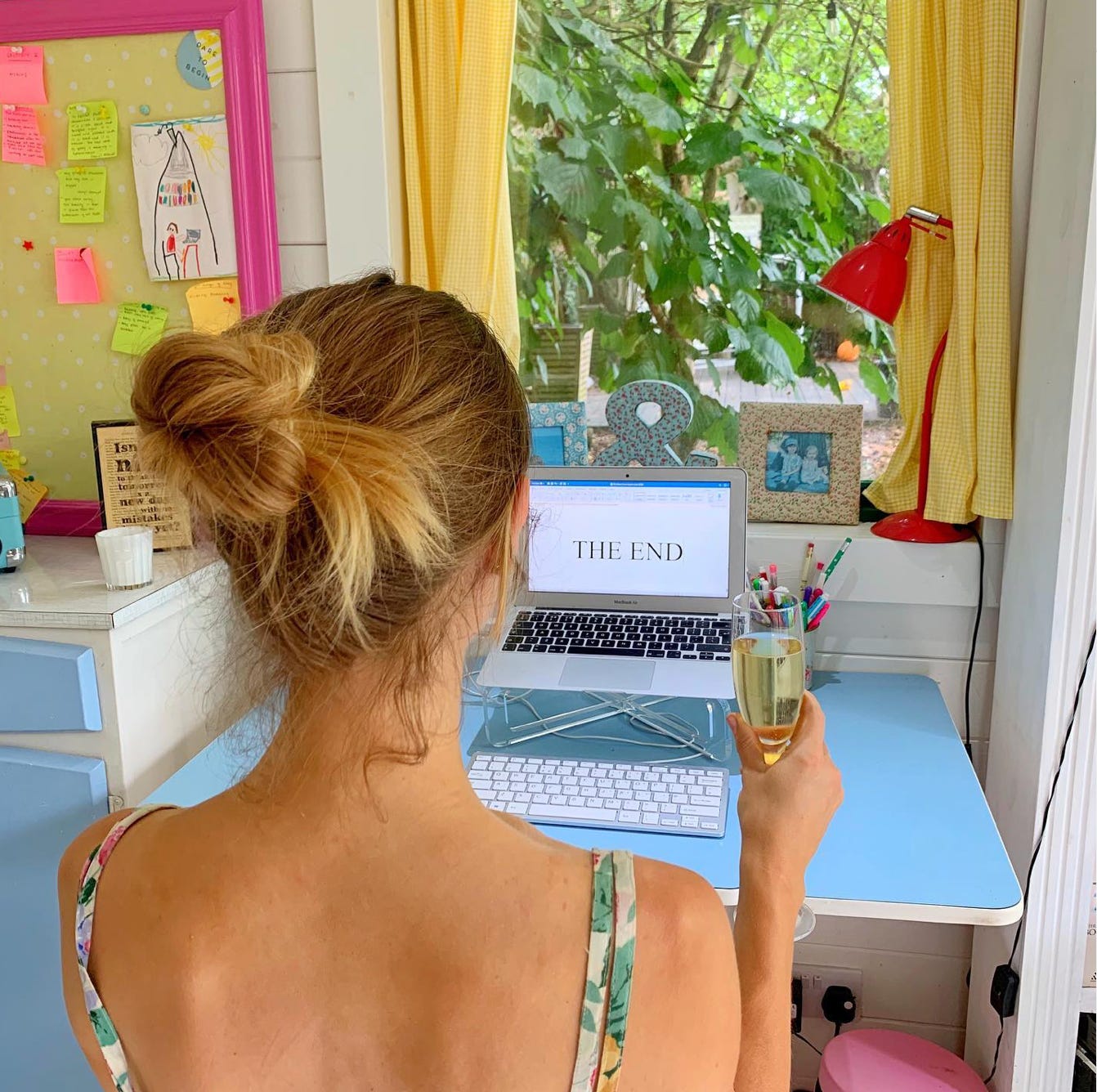
15. A final thought….
Writing this book has never been about me, or even Poppy. It was inspired by her, yes, and my experience of having her, but it was written for anyone who has grieved in silence, or felt alone in love and loss. It is about finding words for the unspeakable, and creating space for conversations others are too afraid to have.
These are my lessons, but maybe some of them will belong to you, too. If they resonate, please do share them - with a friend, with someone walking through loss, or simply by holding them quietly in your heart.
Because if grief has taught me anything, it’s this final lesson: when we share what hurts, we also share what heals.
Thank you for being here,